
What Does a Full Service Wedding Planner Actually Do?
Most couples know they want help planning their wedding.
Fewer understand what a full service wedding planner actually handles— and why the role exists in the first place.
It’s not just recommendations.
It’s not just décor.
And it definitely isn’t just the wedding day.
Full service planning is project management, logistics strategy, design cohesion, and decision guidance combined into one role. Instead of managing the wedding yourselves and occasionally asking questions, the planner becomes the person responsible for making the entire event function from beginning to end.
If you’re still deciding what level of support makes sense, you can compare full service vs partial wedding planning first.
Here’s what that actually looks like throughout the planning process.
Phase 1: The First Month — Building the Foundation
The first weeks of planning determine how smooth the next year will be.
A full service wedding planner starts by structuring the entire project before any major decisions are finalized. This prevents expensive changes later.
During this stage, your planner typically:
Defines planning priorities and overall direction
Builds a working budget allocation strategy
This is also where couples benefit from understanding how wedding budgets actually workIdentifies vendors needed based on the wedding structure
Creates a long-term planning timeline
Advises before venue contracts are finalized
Flags logistical concerns early (capacity, layout, timing)
Couples often think planning begins after booking a venue.
In reality, planning begins before most decisions are locked in — that’s how problems are avoided instead of fixed.

Phase 2: Vendor Sourcing and Booking
This is where most planning hours actually go — and where the majority of stress lives for couples planning alone.
A full service wedding planner doesn’t just send a vendor list. They match vendors to your priorities, budget, and logistics so the team functions cohesively.
Your planner will typically:
Recommend vendors suited to your style and wedding structure
Coordinate introductions and availability
Review proposals and contracts
Track payment schedules and deadlines
Prevent overlapping services or missing vendors
Serve as the communication hub during booking
Instead of emailing ten people and hoping the pieces fit, you have someone assembling the team intentionally.
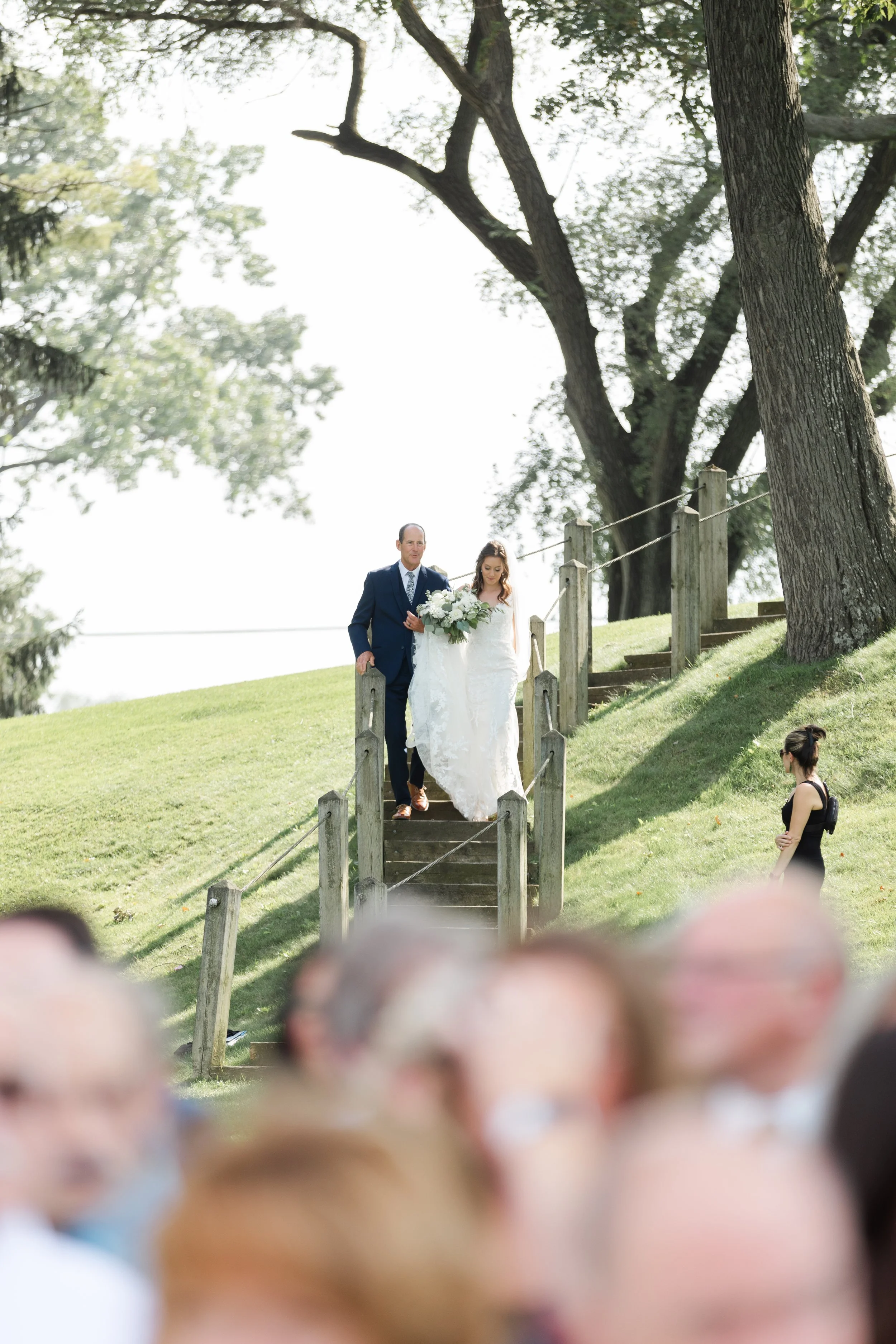
Photography by Lauren Wood
Phase 3: Design Direction and Cohesion
Design is not just choosing colors.
It’s making sure the entire event feels intentional instead of assembled.
Full service planning includes guiding aesthetic decisions so every element relates — venue, rentals, florals, lighting, stationery, and layout.
Your planner helps with:
Overall visual direction
Layout and spatial planning
Rental selection guidance
Balancing budget across visual priorities
Preventing over-design in one area and neglect in another
The goal isn’t to control taste.
It’s to make decisions connect.
You can also see how this plays out in real weddings inside the wedding portfolio.
Phase 4: Logistics and Production Planning
This is the invisible work that determines whether a wedding feels calm or chaotic.
Long before the wedding week, a full service planner builds the operational plan vendors rely on.
This includes:
Detailed timeline creation
Vendor arrival and setup scheduling
Load-in and strike planning
Transportation coordination
Ceremony flow and cue planning
Family and wedding party guidance
Backup weather plans
Rental placement diagrams
By this stage, the wedding is no longer a list of ideas.
It’s a structured production.
Many couples don’t realize how much of this exists until they read about what month-of coordination actually includes.

Photography by Amelie Ferdais
Phase 5: The Final Weeks Before the Wedding
As the wedding approaches, your planner shifts from planning to confirmation.
They take over communication so you’re not fielding logistical questions while trying to be excited about your wedding.
Typically handled:
Confirming vendor details and counts
Final timeline distribution
Managing last-minute changes
Coordinating rehearsal logistics
Organizing personal items and deliveries
Preparing the wedding party for expectations
You are no longer managing emails.
You’re preparing to attend your own wedding.
Some couples choose partial planning instead if they want to stay hands-on while still having structured guidance.
Phase 6: The Wedding Day
The wedding day is execution — not planning.
A full service wedding planner runs the event behind the scenes so vendors stay aligned and problems are handled without becoming visible.
Your planner:
Directs vendor setup
Oversees ceremony timing
Coordinates transitions throughout the day
Handles questions and adjustments
Manages unexpected issues quietly
Maintains the timeline
Guides the event from start to finish
Ideally, you won’t notice most of this happening.
That’s the point.
This level of involvement is typically included in full service wedding planning.
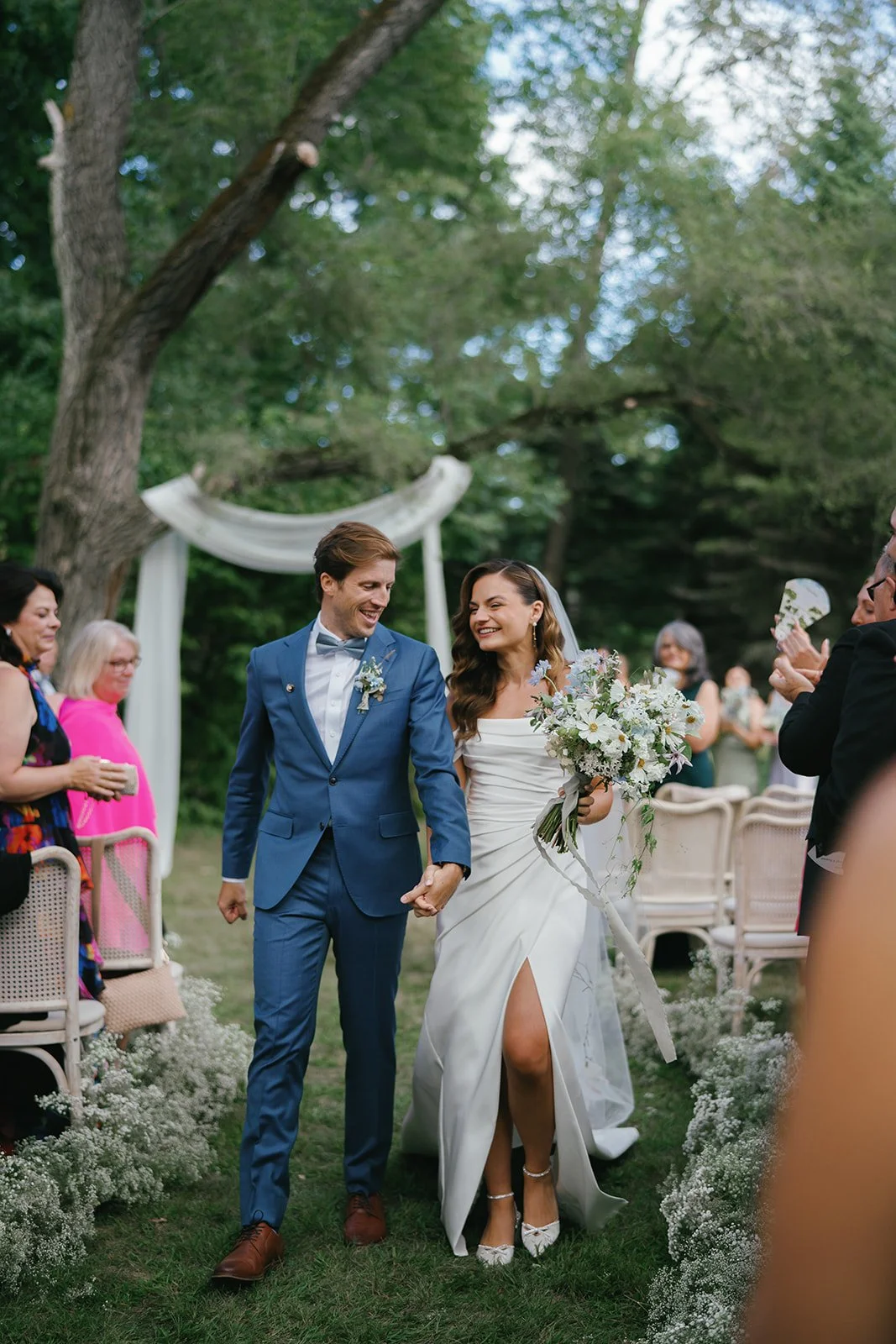
Photography via Meghan Baskin
The Real Purpose of Full Service Planning
Full service planning isn’t about removing your involvement.
It removes responsibility.
You still make the meaningful decisions.
You just don’t carry the weight of managing dozens of moving parts and people who all need direction at the same time.
Couples who choose full service planning usually want to experience their wedding as participants, not project managers.
Final Thoughts
A wedding has timing dependencies, vendor coordination, logistics, and design layered together. Without someone leading that structure, couples end up running the event while trying to celebrate it.
A full service wedding planner exists so the event feels intentional, organized, and calm — not because weddings are complicated, but because they involve many decisions happening at once.
The value isn’t only what the planner does.
It’s what you no longer have to manage.
Planning Resources
→ How to choose a wedding planner
→ Partial vs full planning guide
→ Michigan wedding budget breakdown