
A Wedding Timeline Has to Work for Dinner Service, Too
“Dinner at six, speeches at six-thirty, dancing at seven” looks tidy. It tells you very little about how dinner will actually happen.
How many courses are being served? When will the catering team clear plates? Does the photographer need you outside for portraits? Will the microphone be handed over while staff are trying to reach the tables?
A useful wedding timeline connects those requirements before they compete in the room.
Build around the service plan
Plated dinner, stations, family-style service, and a buffet create different timing and movement needs. Ask the caterer how service is planned for your guest count and menu, how guests will be released if needed, and when their team expects to clear each course.
Do not borrow dinner timing from another wedding without checking those details. The staffing, kitchen access, room layout, and food all affect the plan.
Place speeches with the team doing the serving
There is no single speech schedule that works for every reception. Some catering teams can work around a short welcome; others need a clear period for a particular service moment. Your entertainment team also needs to know who is speaking, where the microphone goes, and how each person is introduced.
We connect those conversations so the room has a shared plan. You should not have to choose between listening to an important toast and wondering why dinner has stopped moving.
Check overlapping priorities
Sunset portraits can be meaningful. So can being present for dinner with your guests. If photography needs you outside during a planned toast or course, something needs to shift.
The same applies to a room reveal, a private last dance, or a change of attire. We work backward from the moments you value and confirm their effects with the vendors whose work they touch.
Write the handoff, not only the time
A timeline entry is stronger when it answers who is ready, who gives the cue, and what must be complete first. Before guests enter the reception, the room needs to be ready, the venue needs to approve access, and the team guiding guests needs to know the route.
Those details prevent several vendors from waiting on a cue they assumed someone else would give.
Leave room for real people
Guests take time to move. Family photographs can run longer than expected. A welcome speech may need a gentle cue to finish. Build sensible buffers with the team rather than filling every minute with another activity.
If timing changes, a planner can assess the consequences and communicate the adjustment across the affected vendors. That is different from simply moving every later item down the page.
Protect the experience you want
The goal is a reception that gives people time to eat, talk, listen, and celebrate. That takes planning before the wedding day, while the decisions can still be made together.
Planning Partner offers collaborative guidance within agreed workstreams. Explore The Full Experience for broader planning and production leadership, or ask us what support fits your celebration.
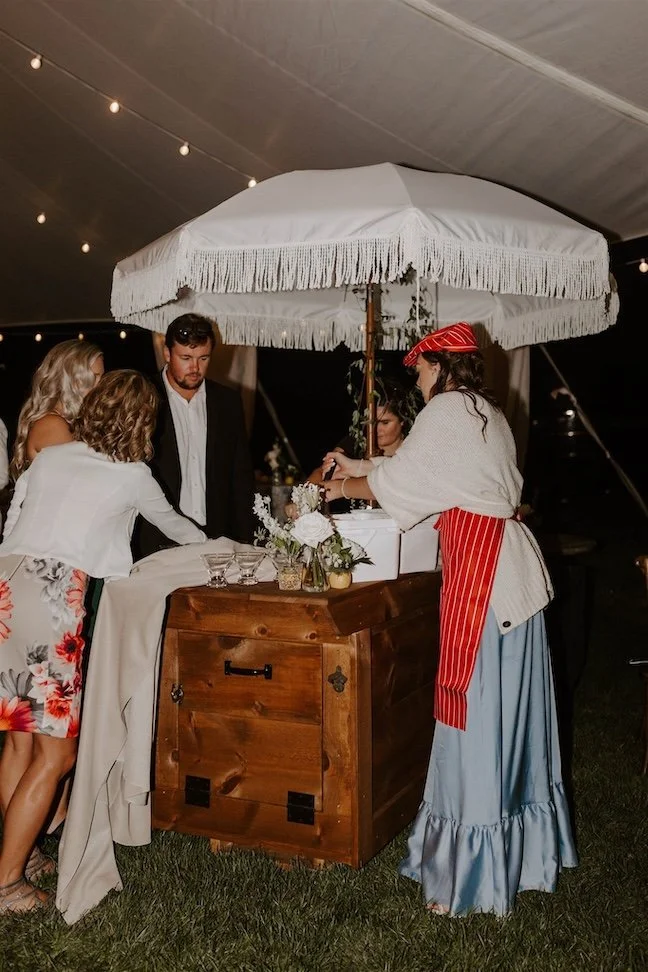
Photography by Olivia Anderson