
The Wedding Details You Don’t Know to Ask About
You can book a beautiful venue, choose excellent vendors, and still have a wedding plan with gaps. The gaps usually sit between the decisions: a rental that does not fit the room, a delivery that arrives before anyone has access, or a speech scheduled while the catering team needs everyone seated.
This is one of the hardest parts of explaining wedding planning. Much of the value is in questions you would have no reason to know to ask.
The room has measurements, not just a guest capacity
A venue’s capacity is a starting point. Your actual reception layout also has to accommodate the tables you want, chairs pulled out with people sitting in them, entertainment equipment, a dance floor, bars, and routes for service.
That beautiful dance floor needs to fit between the columns with room around it. A band’s stage footprint may change where the head table can sit. A room that accommodates your guest count in one arrangement may need a different approach for yours. We work through those relationships with the venue and relevant vendors before the plan is treated as final.
“Banquet table” is not a measurement
Six-foot and eight-foot tables need different linens. Width and height matter, too, especially with specialty tables. A linen can look right in a photograph and leave an unexpected gap—or pool in a service path—on the table you actually rent.
For a rectangular table, the basic drop is half the difference between the linen and table dimensions on each axis. An illustrative 30-by-96-inch table with a 90-by-156-inch linen gives a 30-inch drop on each side and end. If the table is 30 inches high, that reaches the floor. Confirm the actual product dimensions and desired finish with the rental provider; the arithmetic does not replace that conversation.
Every vendor plan affects another vendor
The florist needs tables and linens in place before styling. Catering needs time and access to set the room. Photography needs a realistic window to capture the finished space. A venue’s access period needs to support all of that work.
A planner brings those separate requirements into one production schedule. We identify what has to happen first, who owns the handoff, and what happens if the timing changes.
Guests feel the result
Your guests may never notice a well-positioned service aisle. They will notice a queue blocking the entrance, a difficult walk to dinner, or a long pause with no clear direction. Planning turns the layout and schedule into an experience people can move through comfortably.
Bring the questions into planning early
Before you confirm the next order, ask who is checking its measurements, access requirements, setup sequence, and effect on the rest of the day. If every vendor is checking only their own piece, you still need someone looking across the plan.
Our Planning Partner service shares defined planning workstreams with you. The Full Experience provides broader project leadership. The proposal establishes the responsibilities; original, comprehensive Event Design is scoped separately.
Tell us what you have planned and where you want another experienced set of eyes.
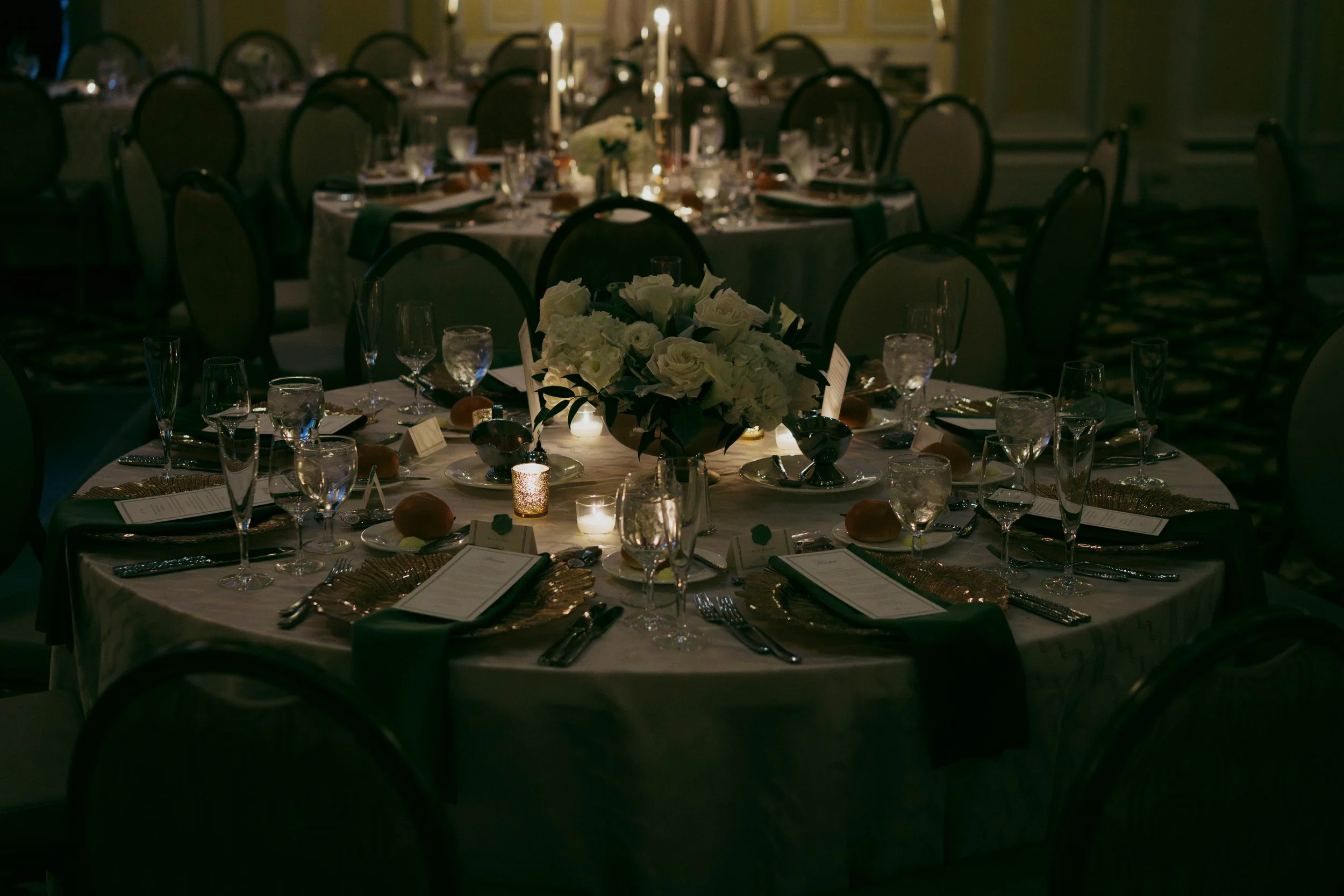
Photographer Water and Whimsy